
Grow a business you can happily own forever, or easily sell tomorrow.
A structural manual for owners who want their business to be worth what they think it is — and to give them real options when they're ready for them.
The most expensive misunderstanding in business ownership
Most owners are building one or the other. Not both.
Some owners are building a business they enjoy running - one that fits their life, pays them well, and doesn't ask too much of them on a Friday afternoon. Others are building something they intend to sell, optimising the numbers and tidying the structure so it stands up to scrutiny when a buyer arrives.
Some owners are building a business they enjoy running — one that fits their life, pays them well, and doesn't ask too much of them on a Friday afternoon. Others are building something they intend to sell, optimising the numbers and tidying the structure so it stands up to scrutiny when a buyer arrives.
Some owners are building a business they enjoy running — one that fits their life, pays them well, and doesn't ask too much of them on a Friday afternoon. Others are building something they intend to sell, optimising the numbers and tidying the structure so it stands up to scrutiny when a buyer arrives.
Very few are growing a business that does both. And, yet, that's the one truly worth owning.
A business you can happily own forever doesn't rely on you. It generates value whether you're in the room or not. It handles growth without becoming more complex and challenging. It creates demand rather than chasing it. And precisely because it does all of that, it's also a business someone else will pay a premium to own.
The reverse is also true. A business that depends on you, that fits for every bit of business, that runs on heroics rather than structure — that business is harder to sell and harder to own.
Very few are growing a business that does both. And, yet, that's the one truly worth owning.
Some owners are building a business they enjoy running — one that fits their life, pays them well, and doesn't ask too much of them on a Friday afternoon. Others are building something they intend to sell, optimising the numbers and tidying the structure so it stands up to scrutiny when a buyer arrives.
Very few are growing a business that does both. And, yet, that's the one truly worth owning.
A business you can happily own forever doesn't rely on you. It generates value whether you're in the room or not. It handles growth without becoming more complex and challenging. It creates demand rather than chasing it. And precisely because it does all of that, it's also a business someone else will pay a premium to own.
The reverse is also true. A business that depends on you, that fits for every bit of business, that runs on heroics rather than structure — that business is harder to sell and harder to own.
A business you can happily own forever doesn't rely on you. It generates value whether you're in the room or not. It handles growth without becoming more complex and challenging. It creates demand rather than chasing it. And precisely because it does all of that, it's also a business someone else will pay a premium to own.
Some owners are building a business they enjoy running — one that fits their life, pays them well, and doesn't ask too much of them on a Friday afternoon. Others are building something they intend to sell, optimising the numbers and tidying the structure so it stands up to scrutiny when a buyer arrives.
Very few are growing a business that does both. And, yet, that's the one truly worth owning.
A business you can happily own forever doesn't rely on you. It generates value whether you're in the room or not. It handles growth without becoming more complex and challenging. It creates demand rather than chasing it. And precisely because it does all of that, it's also a business someone else will pay a premium to own.
The reverse is also true. A business that depends on you, that fits for every bit of business, that runs on heroics rather than structure — that business is harder to sell and harder to own.
The reverse is also true. A business that depends on you, that fits for every bit of business, that runs on heroics rather than structure — that business is harder to sell and harder to own.
Some owners are building a business they enjoy running — one that fits their life, pays them well, and doesn't ask too much of them on a Friday afternoon. Others are building something they intend to sell, optimising the numbers and tidying the structure so it stands up to scrutiny when a buyer arrives.
Some owners are building a business they enjoy running — one that fits their life, pays them well, and doesn't ask too much of them on a Friday afternoon. Others are building something they intend to sell, optimising the numbers and tidying the structure so it stands up to scrutiny when a buyer arrives.
Some owners are building a business they enjoy running — one that fits their life, pays them well, and doesn't ask too much of them on a Friday afternoon. Others are building something they intend to sell, optimising the numbers and tidying the structure so it stands up to scrutiny when a buyer arrives.
Very few are growing a business that does both. And, yet, that's the one truly worth owning.
A business you can happily own forever doesn't rely on you. It generates value whether you're in the room or not. It handles growth without becoming more complex and challenging. It creates demand rather than chasing it. And precisely because it does all of that, it's also a business someone else will pay a premium to own.
The reverse is also true. A business that depends on you, that fits for every bit of business, that runs on heroics rather than structure — that business is harder to sell and harder to own.
Very few are growing a business that does both. And, yet, that's the one truly worth owning.
Some owners are building a business they enjoy running — one that fits their life, pays them well, and doesn't ask too much of them on a Friday afternoon. Others are building something they intend to sell, optimising the numbers and tidying the structure so it stands up to scrutiny when a buyer arrives.
Very few are growing a business that does both. And, yet, that's the one truly worth owning.
A business you can happily own forever doesn't rely on you. It generates value whether you're in the room or not. It handles growth without becoming more complex and challenging. It creates demand rather than chasing it. And precisely because it does all of that, it's also a business someone else will pay a premium to own.
The reverse is also true. A business that depends on you, that fits for every bit of business, that runs on heroics rather than structure — that business is harder to sell and harder to own.
A business you can happily own forever doesn't rely on you. It generates value whether you're in the room or not. It handles growth without becoming more complex and challenging. It creates demand rather than chasing it. And precisely because it does all of that, it's also a business someone else will pay a premium to own.
Some owners are building a business they enjoy running — one that fits their life, pays them well, and doesn't ask too much of them on a Friday afternoon. Others are building something they intend to sell, optimising the numbers and tidying the structure so it stands up to scrutiny when a buyer arrives.
Very few are growing a business that does both. And, yet, that's the one truly worth owning.
A business you can happily own forever doesn't rely on you. It generates value whether you're in the room or not. It handles growth without becoming more complex and challenging. It creates demand rather than chasing it. And precisely because it does all of that, it's also a business someone else will pay a premium to own.
The reverse is also true. A business that depends on you, that fits for every bit of business, that runs on heroics rather than structure — that business is harder to sell and harder to own.
The reverse is also true. A business that depends on you, that fits for every bit of business, that runs on heroics rather than structure — that business is harder to sell and harder to own.
Very few are growing a business that does both. And, yet, that's the one truly worth owning.
Some owners are building a business they enjoy running — one that fits their life, pays them well, and doesn't ask too much of them on a Friday afternoon. Others are building something they intend to sell, optimising the numbers and tidying the structure so it stands up to scrutiny when a buyer arrives.
Some owners are building a business they enjoy running — one that fits their life, pays them well, and doesn't ask too much of them on a Friday afternoon. Others are building something they intend to sell, optimising the numbers and tidying the structure so it stands up to scrutiny when a buyer arrives.
Very few are growing a business that does both. And, yet, that's the one truly worth owning.
A business you can happily own forever doesn't rely on you. It generates value whether you're in the room or not. It handles growth without becoming more complex and challenging. It creates demand rather than chasing it. And precisely because it does all of that, it's also a business someone else will pay a premium to own.
The reverse is also true. A business that depends on you, that fits for every bit of business, that runs on heroics rather than structure — that business is harder to sell and harder to own.
Very few are growing a business that does both. And, yet, that's the one truly worth owning.
Some owners are building a business they enjoy running — one that fits their life, pays them well, and doesn't ask too much of them on a Friday afternoon. Others are building something they intend to sell, optimising the numbers and tidying the structure so it stands up to scrutiny when a buyer arrives.
Very few are growing a business that does both. And, yet, that's the one truly worth owning.
A business you can happily own forever doesn't rely on you. It generates value whether you're in the room or not. It handles growth without becoming more complex and challenging. It creates demand rather than chasing it. And precisely because it does all of that, it's also a business someone else will pay a premium to own.
The reverse is also true. A business that depends on you, that fits for every bit of business, that runs on heroics rather than structure — that business is harder to sell and harder to own.
A business you can happily own forever doesn't rely on you. It generates value whether you're in the room or not. It handles growth without becoming more complex and challenging. It creates demand rather than chasing it. And precisely because it does all of that, it's also a business someone else will pay a premium to own.
Some owners are building a business they enjoy running — one that fits their life, pays them well, and doesn't ask too much of them on a Friday afternoon. Others are building something they intend to sell, optimising the numbers and tidying the structure so it stands up to scrutiny when a buyer arrives.
Very few are growing a business that does both. And, yet, that's the one truly worth owning.
A business you can happily own forever doesn't rely on you. It generates value whether you're in the room or not. It handles growth without becoming more complex and challenging. It creates demand rather than chasing it. And precisely because it does all of that, it's also a business someone else will pay a premium to own.
The reverse is also true. A business that depends on you, that fits for every bit of business, that runs on heroics rather than structure — that business is harder to sell and harder to own.
The reverse is also true. A business that depends on you, that fits for every bit of business, that runs on heroics rather than structure — that business is harder to sell and harder to own.
A business you can happily own forever doesn't rely on you. It generates value whether you're in the room or not. It handles growth without becoming more complex and challenging. It creates demand rather than chasing it. And precisely because it does all of that, it's also a business someone else will pay a premium to own.
Some owners are building a business they enjoy running — one that fits their life, pays them well, and doesn't ask too much of them on a Friday afternoon. Others are building something they intend to sell, optimising the numbers and tidying the structure so it stands up to scrutiny when a buyer arrives.
Some owners are building a business they enjoy running — one that fits their life, pays them well, and doesn't ask too much of them on a Friday afternoon. Others are building something they intend to sell, optimising the numbers and tidying the structure so it stands up to scrutiny when a buyer arrives.
Very few are growing a business that does both. And, yet, that's the one truly worth owning.
A business you can happily own forever doesn't rely on you. It generates value whether you're in the room or not. It handles growth without becoming more complex and challenging. It creates demand rather than chasing it. And precisely because it does all of that, it's also a business someone else will pay a premium to own.
The reverse is also true. A business that depends on you, that fits for every bit of business, that runs on heroics rather than structure — that business is harder to sell and harder to own.
Very few are growing a business that does both. And, yet, that's the one truly worth owning.
Some owners are building a business they enjoy running — one that fits their life, pays them well, and doesn't ask too much of them on a Friday afternoon. Others are building something they intend to sell, optimising the numbers and tidying the structure so it stands up to scrutiny when a buyer arrives.
Very few are growing a business that does both. And, yet, that's the one truly worth owning.
A business you can happily own forever doesn't rely on you. It generates value whether you're in the room or not. It handles growth without becoming more complex and challenging. It creates demand rather than chasing it. And precisely because it does all of that, it's also a business someone else will pay a premium to own.
The reverse is also true. A business that depends on you, that fits for every bit of business, that runs on heroics rather than structure — that business is harder to sell and harder to own.
A business you can happily own forever doesn't rely on you. It generates value whether you're in the room or not. It handles growth without becoming more complex and challenging. It creates demand rather than chasing it. And precisely because it does all of that, it's also a business someone else will pay a premium to own.
Some owners are building a business they enjoy running — one that fits their life, pays them well, and doesn't ask too much of them on a Friday afternoon. Others are building something they intend to sell, optimising the numbers and tidying the structure so it stands up to scrutiny when a buyer arrives.
Very few are growing a business that does both. And, yet, that's the one truly worth owning.
A business you can happily own forever doesn't rely on you. It generates value whether you're in the room or not. It handles growth without becoming more complex and challenging. It creates demand rather than chasing it. And precisely because it does all of that, it's also a business someone else will pay a premium to own.
The reverse is also true. A business that depends on you, that fits for every bit of business, that runs on heroics rather than structure — that business is harder to sell and harder to own.
The reverse is also true. A business that depends on you, that fits for every bit of business, that runs on heroics rather than structure — that business is harder to sell and harder to own.
The reverse is also true. A business that depends on you, that fits for every bit of business, that runs on heroics rather than structure — that business is harder to sell and harder to own.
Some owners are building a business they enjoy running — one that fits their life, pays them well, and doesn't ask too much of them on a Friday afternoon. Others are building something they intend to sell, optimising the numbers and tidying the structure so it stands up to scrutiny when a buyer arrives.
Some owners are building a business they enjoy running — one that fits their life, pays them well, and doesn't ask too much of them on a Friday afternoon. Others are building something they intend to sell, optimising the numbers and tidying the structure so it stands up to scrutiny when a buyer arrives.
Very few are growing a business that does both. And, yet, that's the one truly worth owning.
A business you can happily own forever doesn't rely on you. It generates value whether you're in the room or not. It handles growth without becoming more complex and challenging. It creates demand rather than chasing it. And precisely because it does all of that, it's also a business someone else will pay a premium to own.
The reverse is also true. A business that depends on you, that fits for every bit of business, that runs on heroics rather than structure — that business is harder to sell and harder to own.
Very few are growing a business that does both. And, yet, that's the one truly worth owning.
Some owners are building a business they enjoy running — one that fits their life, pays them well, and doesn't ask too much of them on a Friday afternoon. Others are building something they intend to sell, optimising the numbers and tidying the structure so it stands up to scrutiny when a buyer arrives.
Very few are growing a business that does both. And, yet, that's the one truly worth owning.
A business you can happily own forever doesn't rely on you. It generates value whether you're in the room or not. It handles growth without becoming more complex and challenging. It creates demand rather than chasing it. And precisely because it does all of that, it's also a business someone else will pay a premium to own.
The reverse is also true. A business that depends on you, that fits for every bit of business, that runs on heroics rather than structure — that business is harder to sell and harder to own.
A business you can happily own forever doesn't rely on you. It generates value whether you're in the room or not. It handles growth without becoming more complex and challenging. It creates demand rather than chasing it. And precisely because it does all of that, it's also a business someone else will pay a premium to own.
Some owners are building a business they enjoy running — one that fits their life, pays them well, and doesn't ask too much of them on a Friday afternoon. Others are building something they intend to sell, optimising the numbers and tidying the structure so it stands up to scrutiny when a buyer arrives.
Very few are growing a business that does both. And, yet, that's the one truly worth owning.
A business you can happily own forever doesn't rely on you. It generates value whether you're in the room or not. It handles growth without becoming more complex and challenging. It creates demand rather than chasing it. And precisely because it does all of that, it's also a business someone else will pay a premium to own.
The reverse is also true. A business that depends on you, that fits for every bit of business, that runs on heroics rather than structure — that business is harder to sell and harder to own.
The reverse is also true. A business that depends on you, that fits for every bit of business, that runs on heroics rather than structure — that business is harder to sell and harder to own.
Very few are growing a business that does both. And, yet, that's the one truly worth owning.
Some owners are building a business they enjoy running — one that fits their life, pays them well, and doesn't ask too much of them on a Friday afternoon. Others are building something they intend to sell, optimising the numbers and tidying the structure so it stands up to scrutiny when a buyer arrives.
Some owners are building a business they enjoy running — one that fits their life, pays them well, and doesn't ask too much of them on a Friday afternoon. Others are building something they intend to sell, optimising the numbers and tidying the structure so it stands up to scrutiny when a buyer arrives.
Very few are growing a business that does both. And, yet, that's the one truly worth owning.
A business you can happily own forever doesn't rely on you. It generates value whether you're in the room or not. It handles growth without becoming more complex and challenging. It creates demand rather than chasing it. And precisely because it does all of that, it's also a business someone else will pay a premium to own.
The reverse is also true. A business that depends on you, that fits for every bit of business, that runs on heroics rather than structure — that business is harder to sell and harder to own.
Very few are growing a business that does both. And, yet, that's the one truly worth owning.
Some owners are building a business they enjoy running — one that fits their life, pays them well, and doesn't ask too much of them on a Friday afternoon. Others are building something they intend to sell, optimising the numbers and tidying the structure so it stands up to scrutiny when a buyer arrives.
Very few are growing a business that does both. And, yet, that's the one truly worth owning.
A business you can happily own forever doesn't rely on you. It generates value whether you're in the room or not. It handles growth without becoming more complex and challenging. It creates demand rather than chasing it. And precisely because it does all of that, it's also a business someone else will pay a premium to own.
The reverse is also true. A business that depends on you, that fits for every bit of business, that runs on heroics rather than structure — that business is harder to sell and harder to own.
A business you can happily own forever doesn't rely on you. It generates value whether you're in the room or not. It handles growth without becoming more complex and challenging. It creates demand rather than chasing it. And precisely because it does all of that, it's also a business someone else will pay a premium to own.
Some owners are building a business they enjoy running — one that fits their life, pays them well, and doesn't ask too much of them on a Friday afternoon. Others are building something they intend to sell, optimising the numbers and tidying the structure so it stands up to scrutiny when a buyer arrives.
Very few are growing a business that does both. And, yet, that's the one truly worth owning.
A business you can happily own forever doesn't rely on you. It generates value whether you're in the room or not. It handles growth without becoming more complex and challenging. It creates demand rather than chasing it. And precisely because it does all of that, it's also a business someone else will pay a premium to own.
The reverse is also true. A business that depends on you, that fits for every bit of business, that runs on heroics rather than structure — that business is harder to sell and harder to own.
The reverse is also true. A business that depends on you, that fits for every bit of business, that runs on heroics rather than structure — that business is harder to sell and harder to own.
Some owners are building a business they enjoy running — one that fits their life, pays them well, and doesn't ask too much of them on a Friday afternoon. Others are building something they intend to sell, optimising the numbers and tidying the structure so it stands up to scrutiny when a buyer arrives.
Some owners are building a business they enjoy running — one that fits their life, pays them well, and doesn't ask too much of them on a Friday afternoon. Others are building something they intend to sell, optimising the numbers and tidying the structure so it stands up to scrutiny when a buyer arrives.
Some owners are building a business they enjoy running — one that fits their life, pays them well, and doesn't ask too much of them on a Friday afternoon. Others are building something they intend to sell, optimising the numbers and tidying the structure so it stands up to scrutiny when a buyer arrives.
Very few are growing a business that does both. And, yet, that's the one truly worth owning.
A business you can happily own forever doesn't rely on you. It generates value whether you're in the room or not. It handles growth without becoming more complex and challenging. It creates demand rather than chasing it. And precisely because it does all of that, it's also a business someone else will pay a premium to own.
The reverse is also true. A business that depends on you, that fits for every bit of business, that runs on heroics rather than structure — that business is harder to sell and harder to own.
Very few are growing a business that does both. And, yet, that's the one truly worth owning.
Some owners are building a business they enjoy running — one that fits their life, pays them well, and doesn't ask too much of them on a Friday afternoon. Others are building something they intend to sell, optimising the numbers and tidying the structure so it stands up to scrutiny when a buyer arrives.
Very few are growing a business that does both. And, yet, that's the one truly worth owning.
A business you can happily own forever doesn't rely on you. It generates value whether you're in the room or not. It handles growth without becoming more complex and challenging. It creates demand rather than chasing it. And precisely because it does all of that, it's also a business someone else will pay a premium to own.
The reverse is also true. A business that depends on you, that fits for every bit of business, that runs on heroics rather than structure — that business is harder to sell and harder to own.
A business you can happily own forever doesn't rely on you. It generates value whether you're in the room or not. It handles growth without becoming more complex and challenging. It creates demand rather than chasing it. And precisely because it does all of that, it's also a business someone else will pay a premium to own.
Some owners are building a business they enjoy running — one that fits their life, pays them well, and doesn't ask too much of them on a Friday afternoon. Others are building something they intend to sell, optimising the numbers and tidying the structure so it stands up to scrutiny when a buyer arrives.
Very few are growing a business that does both. And, yet, that's the one truly worth owning.
A business you can happily own forever doesn't rely on you. It generates value whether you're in the room or not. It handles growth without becoming more complex and challenging. It creates demand rather than chasing it. And precisely because it does all of that, it's also a business someone else will pay a premium to own.
The reverse is also true. A business that depends on you, that fits for every bit of business, that runs on heroics rather than structure — that business is harder to sell and harder to own.
The reverse is also true. A business that depends on you, that fits for every bit of business, that runs on heroics rather than structure — that business is harder to sell and harder to own.
Very few are growing a business that does both. And, yet, that's the one truly worth owning.
Some owners are building a business they enjoy running — one that fits their life, pays them well, and doesn't ask too much of them on a Friday afternoon. Others are building something they intend to sell, optimising the numbers and tidying the structure so it stands up to scrutiny when a buyer arrives.
Some owners are building a business they enjoy running — one that fits their life, pays them well, and doesn't ask too much of them on a Friday afternoon. Others are building something they intend to sell, optimising the numbers and tidying the structure so it stands up to scrutiny when a buyer arrives.
Very few are growing a business that does both. And, yet, that's the one truly worth owning.
A business you can happily own forever doesn't rely on you. It generates value whether you're in the room or not. It handles growth without becoming more complex and challenging. It creates demand rather than chasing it. And precisely because it does all of that, it's also a business someone else will pay a premium to own.
The reverse is also true. A business that depends on you, that fits for every bit of business, that runs on heroics rather than structure — that business is harder to sell and harder to own.
Very few are growing a business that does both. And, yet, that's the one truly worth owning.
Some owners are building a business they enjoy running — one that fits their life, pays them well, and doesn't ask too much of them on a Friday afternoon. Others are building something they intend to sell, optimising the numbers and tidying the structure so it stands up to scrutiny when a buyer arrives.
Very few are growing a business that does both. And, yet, that's the one truly worth owning.
A business you can happily own forever doesn't rely on you. It generates value whether you're in the room or not. It handles growth without becoming more complex and challenging. It creates demand rather than chasing it. And precisely because it does all of that, it's also a business someone else will pay a premium to own.
The reverse is also true. A business that depends on you, that fits for every bit of business, that runs on heroics rather than structure — that business is harder to sell and harder to own.
A business you can happily own forever doesn't rely on you. It generates value whether you're in the room or not. It handles growth without becoming more complex and challenging. It creates demand rather than chasing it. And precisely because it does all of that, it's also a business someone else will pay a premium to own.
Some owners are building a business they enjoy running — one that fits their life, pays them well, and doesn't ask too much of them on a Friday afternoon. Others are building something they intend to sell, optimising the numbers and tidying the structure so it stands up to scrutiny when a buyer arrives.
Very few are growing a business that does both. And, yet, that's the one truly worth owning.
A business you can happily own forever doesn't rely on you. It generates value whether you're in the room or not. It handles growth without becoming more complex and challenging. It creates demand rather than chasing it. And precisely because it does all of that, it's also a business someone else will pay a premium to own.
The reverse is also true. A business that depends on you, that fits for every bit of business, that runs on heroics rather than structure — that business is harder to sell and harder to own.
The reverse is also true. A business that depends on you, that fits for every bit of business, that runs on heroics rather than structure — that business is harder to sell and harder to own.
A business you can happily own forever doesn't rely on you. It generates value whether you're in the room or not. It handles growth without becoming more complex and challenging. It creates demand rather than chasing it. And precisely because it does all of that, it's also a business someone else will pay a premium to own.
Some owners are building a business they enjoy running — one that fits their life, pays them well, and doesn't ask too much of them on a Friday afternoon. Others are building something they intend to sell, optimising the numbers and tidying the structure so it stands up to scrutiny when a buyer arrives.
Some owners are building a business they enjoy running — one that fits their life, pays them well, and doesn't ask too much of them on a Friday afternoon. Others are building something they intend to sell, optimising the numbers and tidying the structure so it stands up to scrutiny when a buyer arrives.
Very few are growing a business that does both. And, yet, that's the one truly worth owning.
A business you can happily own forever doesn't rely on you. It generates value whether you're in the room or not. It handles growth without becoming more complex and challenging. It creates demand rather than chasing it. And precisely because it does all of that, it's also a business someone else will pay a premium to own.
The reverse is also true. A business that depends on you, that fits for every bit of business, that runs on heroics rather than structure — that business is harder to sell and harder to own.
Very few are growing a business that does both. And, yet, that's the one truly worth owning.
Some owners are building a business they enjoy running — one that fits their life, pays them well, and doesn't ask too much of them on a Friday afternoon. Others are building something they intend to sell, optimising the numbers and tidying the structure so it stands up to scrutiny when a buyer arrives.
Very few are growing a business that does both. And, yet, that's the one truly worth owning.
A business you can happily own forever doesn't rely on you. It generates value whether you're in the room or not. It handles growth without becoming more complex and challenging. It creates demand rather than chasing it. And precisely because it does all of that, it's also a business someone else will pay a premium to own.
The reverse is also true. A business that depends on you, that fits for every bit of business, that runs on heroics rather than structure — that business is harder to sell and harder to own.
A business you can happily own forever doesn't rely on you. It generates value whether you're in the room or not. It handles growth without becoming more complex and challenging. It creates demand rather than chasing it. And precisely because it does all of that, it's also a business someone else will pay a premium to own.
Some owners are building a business they enjoy running — one that fits their life, pays them well, and doesn't ask too much of them on a Friday afternoon. Others are building something they intend to sell, optimising the numbers and tidying the structure so it stands up to scrutiny when a buyer arrives.
Very few are growing a business that does both. And, yet, that's the one truly worth owning.
A business you can happily own forever doesn't rely on you. It generates value whether you're in the room or not. It handles growth without becoming more complex and challenging. It creates demand rather than chasing it. And precisely because it does all of that, it's also a business someone else will pay a premium to own.
The reverse is also true. A business that depends on you, that fits for every bit of business, that runs on heroics rather than structure — that business is harder to sell and harder to own.
The reverse is also true. A business that depends on you, that fits for every bit of business, that runs on heroics rather than structure — that business is harder to sell and harder to own.
The reverse is also true. A business that depends on you, that fits for every bit of business, that runs on heroics rather than structure — that business is harder to sell and harder to own.
Some owners are building a business they enjoy running — one that fits their life, pays them well, and doesn't ask too much of them on a Friday afternoon. Others are building something they intend to sell, optimising the numbers and tidying the structure so it stands up to scrutiny when a buyer arrives.
Some owners are building a business they enjoy running — one that fits their life, pays them well, and doesn't ask too much of them on a Friday afternoon. Others are building something they intend to sell, optimising the numbers and tidying the structure so it stands up to scrutiny when a buyer arrives.
Very few are growing a business that does both. And, yet, that's the one truly worth owning.
A business you can happily own forever doesn't rely on you. It generates value whether you're in the room or not. It handles growth without becoming more complex and challenging. It creates demand rather than chasing it. And precisely because it does all of that, it's also a business someone else will pay a premium to own.
The reverse is also true. A business that depends on you, that fits for every bit of business, that runs on heroics rather than structure — that business is harder to sell and harder to own.
Very few are growing a business that does both. And, yet, that's the one truly worth owning.
Some owners are building a business they enjoy running — one that fits their life, pays them well, and doesn't ask too much of them on a Friday afternoon. Others are building something they intend to sell, optimising the numbers and tidying the structure so it stands up to scrutiny when a buyer arrives.
Very few are growing a business that does both. And, yet, that's the one truly worth owning.
A business you can happily own forever doesn't rely on you. It generates value whether you're in the room or not. It handles growth without becoming more complex and challenging. It creates demand rather than chasing it. And precisely because it does all of that, it's also a business someone else will pay a premium to own.
The reverse is also true. A business that depends on you, that fits for every bit of business, that runs on heroics rather than structure — that business is harder to sell and harder to own.
A business you can happily own forever doesn't rely on you. It generates value whether you're in the room or not. It handles growth without becoming more complex and challenging. It creates demand rather than chasing it. And precisely because it does all of that, it's also a business someone else will pay a premium to own.
Some owners are building a business they enjoy running — one that fits their life, pays them well, and doesn't ask too much of them on a Friday afternoon. Others are building something they intend to sell, optimising the numbers and tidying the structure so it stands up to scrutiny when a buyer arrives.
Very few are growing a business that does both. And, yet, that's the one truly worth owning.
A business you can happily own forever doesn't rely on you. It generates value whether you're in the room or not. It handles growth without becoming more complex and challenging. It creates demand rather than chasing it. And precisely because it does all of that, it's also a business someone else will pay a premium to own.
The reverse is also true. A business that depends on you, that fits for every bit of business, that runs on heroics rather than structure — that business is harder to sell and harder to own.
The reverse is also true. A business that depends on you, that fits for every bit of business, that runs on heroics rather than structure — that business is harder to sell and harder to own.
A business you can happily own forever doesn't rely on you. It generates value whether you're in the room or not. It handles growth without becoming more complex and challenging. It creates demand rather than chasing it. And precisely because it does all of that, it's also a business someone else will pay a premium to own.
Some owners are building a business they enjoy running — one that fits their life, pays them well, and doesn't ask too much of them on a Friday afternoon. Others are building something they intend to sell, optimising the numbers and tidying the structure so it stands up to scrutiny when a buyer arrives.
Some owners are building a business they enjoy running — one that fits their life, pays them well, and doesn't ask too much of them on a Friday afternoon. Others are building something they intend to sell, optimising the numbers and tidying the structure so it stands up to scrutiny when a buyer arrives.
Very few are growing a business that does both. And, yet, that's the one truly worth owning.
A business you can happily own forever doesn't rely on you. It generates value whether you're in the room or not. It handles growth without becoming more complex and challenging. It creates demand rather than chasing it. And precisely because it does all of that, it's also a business someone else will pay a premium to own.
The reverse is also true. A business that depends on you, that fits for every bit of business, that runs on heroics rather than structure — that business is harder to sell and harder to own.
Very few are growing a business that does both. And, yet, that's the one truly worth owning.
Some owners are building a business they enjoy running — one that fits their life, pays them well, and doesn't ask too much of them on a Friday afternoon. Others are building something they intend to sell, optimising the numbers and tidying the structure so it stands up to scrutiny when a buyer arrives.
Very few are growing a business that does both. And, yet, that's the one truly worth owning.
A business you can happily own forever doesn't rely on you. It generates value whether you're in the room or not. It handles growth without becoming more complex and challenging. It creates demand rather than chasing it. And precisely because it does all of that, it's also a business someone else will pay a premium to own.
The reverse is also true. A business that depends on you, that fits for every bit of business, that runs on heroics rather than structure — that business is harder to sell and harder to own.
A business you can happily own forever doesn't rely on you. It generates value whether you're in the room or not. It handles growth without becoming more complex and challenging. It creates demand rather than chasing it. And precisely because it does all of that, it's also a business someone else will pay a premium to own.
Some owners are building a business they enjoy running — one that fits their life, pays them well, and doesn't ask too much of them on a Friday afternoon. Others are building something they intend to sell, optimising the numbers and tidying the structure so it stands up to scrutiny when a buyer arrives.
Very few are growing a business that does both. And, yet, that's the one truly worth owning.
A business you can happily own forever doesn't rely on you. It generates value whether you're in the room or not. It handles growth without becoming more complex and challenging. It creates demand rather than chasing it. And precisely because it does all of that, it's also a business someone else will pay a premium to own.
The reverse is also true. A business that depends on you, that fits for every bit of business, that runs on heroics rather than structure — that business is harder to sell and harder to own.
The reverse is also true. A business that depends on you, that fits for every bit of business, that runs on heroics rather than structure — that business is harder to sell and harder to own.
Some owners are building a business they enjoy running — one that fits their life, pays them well, and doesn't ask too much of them on a Friday afternoon. Others are building something they intend to sell, optimising the numbers and tidying the structure so it stands up to scrutiny when a buyer arrives.
Some owners are building a business they enjoy running — one that fits their life, pays them well, and doesn't ask too much of them on a Friday afternoon. Others are building something they intend to sell, optimising the numbers and tidying the structure so it stands up to scrutiny when a buyer arrives.
Some owners are building a business they enjoy running — one that fits their life, pays them well, and doesn't ask too much of them on a Friday afternoon. Others are building something they intend to sell, optimising the numbers and tidying the structure so it stands up to scrutiny when a buyer arrives.
Very few are growing a business that does both. And, yet, that's the one truly worth owning.
A business you can happily own forever doesn't rely on you. It generates value whether you're in the room or not. It handles growth without becoming more complex and challenging. It creates demand rather than chasing it. And precisely because it does all of that, it's also a business someone else will pay a premium to own.
The reverse is also true. A business that depends on you, that fits for every bit of business, that runs on heroics rather than structure — that business is harder to sell and harder to own.
Very few are growing a business that does both. And, yet, that's the one truly worth owning.
Some owners are building a business they enjoy running — one that fits their life, pays them well, and doesn't ask too much of them on a Friday afternoon. Others are building something they intend to sell, optimising the numbers and tidying the structure so it stands up to scrutiny when a buyer arrives.
Very few are growing a business that does both. And, yet, that's the one truly worth owning.
A business you can happily own forever doesn't rely on you. It generates value whether you're in the room or not. It handles growth without becoming more complex and challenging. It creates demand rather than chasing it. And precisely because it does all of that, it's also a business someone else will pay a premium to own.
The reverse is also true. A business that depends on you, that fits for every bit of business, that runs on heroics rather than structure — that business is harder to sell and harder to own.
A business you can happily own forever doesn't rely on you. It generates value whether you're in the room or not. It handles growth without becoming more complex and challenging. It creates demand rather than chasing it. And precisely because it does all of that, it's also a business someone else will pay a premium to own.
Some owners are building a business they enjoy running — one that fits their life, pays them well, and doesn't ask too much of them on a Friday afternoon. Others are building something they intend to sell, optimising the numbers and tidying the structure so it stands up to scrutiny when a buyer arrives.
Very few are growing a business that does both. And, yet, that's the one truly worth owning.
A business you can happily own forever doesn't rely on you. It generates value whether you're in the room or not. It handles growth without becoming more complex and challenging. It creates demand rather than chasing it. And precisely because it does all of that, it's also a business someone else will pay a premium to own.
The reverse is also true. A business that depends on you, that fits for every bit of business, that runs on heroics rather than structure — that business is harder to sell and harder to own.
The reverse is also true. A business that depends on you, that fits for every bit of business, that runs on heroics rather than structure — that business is harder to sell and harder to own.
Very few are growing a business that does both. And, yet, that's the one truly worth owning.
Some owners are building a business they enjoy running — one that fits their life, pays them well, and doesn't ask too much of them on a Friday afternoon. Others are building something they intend to sell, optimising the numbers and tidying the structure so it stands up to scrutiny when a buyer arrives.
Some owners are building a business they enjoy running — one that fits their life, pays them well, and doesn't ask too much of them on a Friday afternoon. Others are building something they intend to sell, optimising the numbers and tidying the structure so it stands up to scrutiny when a buyer arrives.
Very few are growing a business that does both. And, yet, that's the one truly worth owning.
A business you can happily own forever doesn't rely on you. It generates value whether you're in the room or not. It handles growth without becoming more complex and challenging. It creates demand rather than chasing it. And precisely because it does all of that, it's also a business someone else will pay a premium to own.
The reverse is also true. A business that depends on you, that fits for every bit of business, that runs on heroics rather than structure — that business is harder to sell and harder to own.
Very few are growing a business that does both. And, yet, that's the one truly worth owning.
Some owners are building a business they enjoy running — one that fits their life, pays them well, and doesn't ask too much of them on a Friday afternoon. Others are building something they intend to sell, optimising the numbers and tidying the structure so it stands up to scrutiny when a buyer arrives.
Very few are growing a business that does both. And, yet, that's the one truly worth owning.
A business you can happily own forever doesn't rely on you. It generates value whether you're in the room or not. It handles growth without becoming more complex and challenging. It creates demand rather than chasing it. And precisely because it does all of that, it's also a business someone else will pay a premium to own.
The reverse is also true. A business that depends on you, that fits for every bit of business, that runs on heroics rather than structure — that business is harder to sell and harder to own.
A business you can happily own forever doesn't rely on you. It generates value whether you're in the room or not. It handles growth without becoming more complex and challenging. It creates demand rather than chasing it. And precisely because it does all of that, it's also a business someone else will pay a premium to own.
Some owners are building a business they enjoy running — one that fits their life, pays them well, and doesn't ask too much of them on a Friday afternoon. Others are building something they intend to sell, optimising the numbers and tidying the structure so it stands up to scrutiny when a buyer arrives.
Very few are growing a business that does both. And, yet, that's the one truly worth owning.
A business you can happily own forever doesn't rely on you. It generates value whether you're in the room or not. It handles growth without becoming more complex and challenging. It creates demand rather than chasing it. And precisely because it does all of that, it's also a business someone else will pay a premium to own.
The reverse is also true. A business that depends on you, that fits for every bit of business, that runs on heroics rather than structure — that business is harder to sell and harder to own.
The reverse is also true. A business that depends on you, that fits for every bit of business, that runs on heroics rather than structure — that business is harder to sell and harder to own.
A business you can happily own forever doesn't rely on you. It generates value whether you're in the room or not. It handles growth without becoming more complex and challenging. It creates demand rather than chasing it. And precisely because it does all of that, it's also a business someone else will pay a premium to own.
Some owners are building a business they enjoy running — one that fits their life, pays them well, and doesn't ask too much of them on a Friday afternoon. Others are building something they intend to sell, optimising the numbers and tidying the structure so it stands up to scrutiny when a buyer arrives.
Some owners are building a business they enjoy running — one that fits their life, pays them well, and doesn't ask too much of them on a Friday afternoon. Others are building something they intend to sell, optimising the numbers and tidying the structure so it stands up to scrutiny when a buyer arrives.
Very few are growing a business that does both. And, yet, that's the one truly worth owning.
A business you can happily own forever doesn't rely on you. It generates value whether you're in the room or not. It handles growth without becoming more complex and challenging. It creates demand rather than chasing it. And precisely because it does all of that, it's also a business someone else will pay a premium to own.
The reverse is also true. A business that depends on you, that fits for every bit of business, that runs on heroics rather than structure — that business is harder to sell and harder to own.
Very few are growing a business that does both. And, yet, that's the one truly worth owning.
Some owners are building a business they enjoy running — one that fits their life, pays them well, and doesn't ask too much of them on a Friday afternoon. Others are building something they intend to sell, optimising the numbers and tidying the structure so it stands up to scrutiny when a buyer arrives.
Very few are growing a business that does both. And, yet, that's the one truly worth owning.
A business you can happily own forever doesn't rely on you. It generates value whether you're in the room or not. It handles growth without becoming more complex and challenging. It creates demand rather than chasing it. And precisely because it does all of that, it's also a business someone else will pay a premium to own.
The reverse is also true. A business that depends on you, that fits for every bit of business, that runs on heroics rather than structure — that business is harder to sell and harder to own.
A business you can happily own forever doesn't rely on you. It generates value whether you're in the room or not. It handles growth without becoming more complex and challenging. It creates demand rather than chasing it. And precisely because it does all of that, it's also a business someone else will pay a premium to own.
Some owners are building a business they enjoy running — one that fits their life, pays them well, and doesn't ask too much of them on a Friday afternoon. Others are building something they intend to sell, optimising the numbers and tidying the structure so it stands up to scrutiny when a buyer arrives.
Very few are growing a business that does both. And, yet, that's the one truly worth owning.
A business you can happily own forever doesn't rely on you. It generates value whether you're in the room or not. It handles growth without becoming more complex and challenging. It creates demand rather than chasing it. And precisely because it does all of that, it's also a business someone else will pay a premium to own.
The reverse is also true. A business that depends on you, that fits for every bit of business, that runs on heroics rather than structure — that business is harder to sell and harder to own.
The reverse is also true. A business that depends on you, that fits for every bit of business, that runs on heroics rather than structure — that business is harder to sell and harder to own.
The reverse is also true. A business that depends on you, that fits for every bit of business, that runs on heroics rather than structure — that business is harder to sell and harder to own.
Some owners are building a business they enjoy running — one that fits their life, pays them well, and doesn't ask too much of them on a Friday afternoon. Others are building something they intend to sell, optimising the numbers and tidying the structure so it stands up to scrutiny when a buyer arrives.
Some owners are building a business they enjoy running — one that fits their life, pays them well, and doesn't ask too much of them on a Friday afternoon. Others are building something they intend to sell, optimising the numbers and tidying the structure so it stands up to scrutiny when a buyer arrives.
Very few are growing a business that does both. And, yet, that's the one truly worth owning.
A business you can happily own forever doesn't rely on you. It generates value whether you're in the room or not. It handles growth without becoming more complex and challenging. It creates demand rather than chasing it. And precisely because it does all of that, it's also a business someone else will pay a premium to own.
The reverse is also true. A business that depends on you, that fits for every bit of business, that runs on heroics rather than structure — that business is harder to sell and harder to own.
Very few are growing a business that does both. And, yet, that's the one truly worth owning.
Some owners are building a business they enjoy running — one that fits their life, pays them well, and doesn't ask too much of them on a Friday afternoon. Others are building something they intend to sell, optimising the numbers and tidying the structure so it stands up to scrutiny when a buyer arrives.
Very few are growing a business that does both. And, yet, that's the one truly worth owning.
A business you can happily own forever doesn't rely on you. It generates value whether you're in the room or not. It handles growth without becoming more complex and challenging. It creates demand rather than chasing it. And precisely because it does all of that, it's also a business someone else will pay a premium to own.
The reverse is also true. A business that depends on you, that fits for every bit of business, that runs on heroics rather than structure — that business is harder to sell and harder to own.
A business you can happily own forever doesn't rely on you. It generates value whether you're in the room or not. It handles growth without becoming more complex and challenging. It creates demand rather than chasing it. And precisely because it does all of that, it's also a business someone else will pay a premium to own.
Some owners are building a business they enjoy running — one that fits their life, pays them well, and doesn't ask too much of them on a Friday afternoon. Others are building something they intend to sell, optimising the numbers and tidying the structure so it stands up to scrutiny when a buyer arrives.
Very few are growing a business that does both. And, yet, that's the one truly worth owning.
A business you can happily own forever doesn't rely on you. It generates value whether you're in the room or not. It handles growth without becoming more complex and challenging. It creates demand rather than chasing it. And precisely because it does all of that, it's also a business someone else will pay a premium to own.
The reverse is also true. A business that depends on you, that fits for every bit of business, that runs on heroics rather than structure — that business is harder to sell and harder to own.
The reverse is also true. A business that depends on you, that fits for every bit of business, that runs on heroics rather than structure — that business is harder to sell and harder to own.
The reverse is also true. A business that depends on you, that fits for every bit of business, that runs on heroics rather than structure - that business is harder to sell and harder to own.
What the book is actually about
A structural manual, not a sales process.
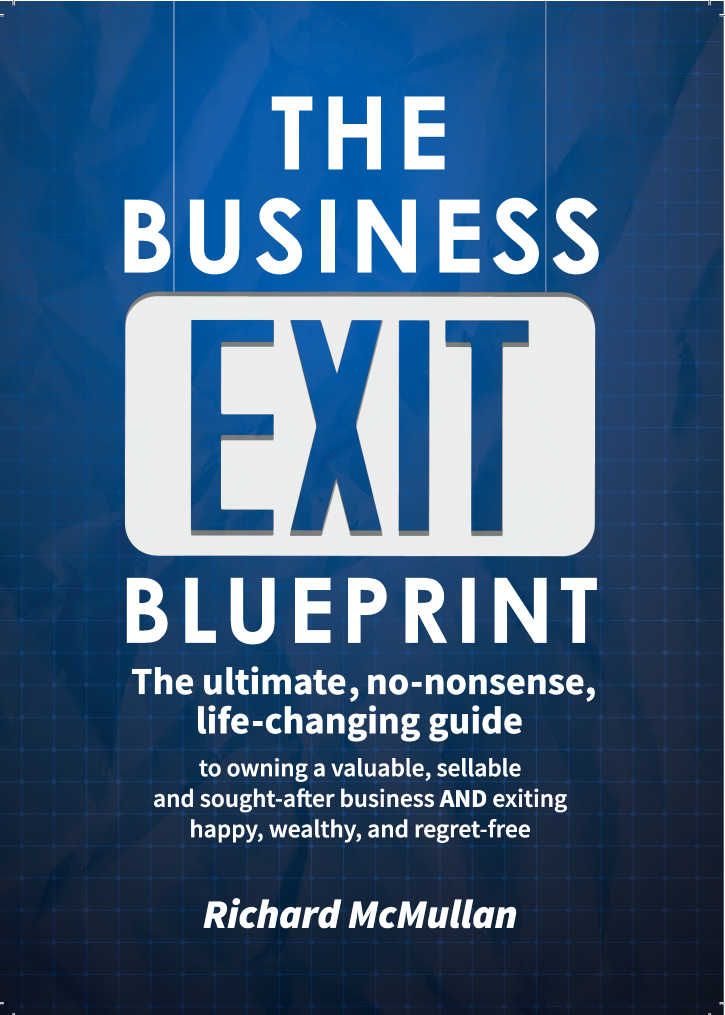
The Business Exit Blueprint is a structural manual for owners who want a valuable, sellable, and sought-after business. It's not about the sales process or the exit timeline. It's about the structural decisions that determine, years before the exit process, whether your business is worth what you think it's worth, and whether it's the kind of asset that sets you free rather than ties you in.
The Business Exit Blueprint is a structural manual for owners who want a valuable, sellable, and sought-after business. It's not about the sales process or the exit timeline. It's about the structural decisions that determine, years before the exit process, whether your business is worth what you think it's worth — and whether it's the kind of asset that sets you free rather than ties you in.
The Business Exit Blueprint is a structural manual for owners who want a valuable, sellable, and sought-after business. It's not about the sales process or the exit timeline. It's about the structural decisions that determine, years before the exit process, whether your business is worth what you think it's worth — and whether it's the kind of asset that sets you free rather than ties you in.
The exit framing is deliberate, even if you have no intention of selling. Looking at your business through the eyes of a credible buyer is one of the most useful diagnostic lenses you can apply to it. It surfaces what you've stopped noticing. It puts a number on dependency. And it tells you, honestly, what you've actually built.
The exit framing is deliberate, even if you have no intention of selling. Looking at your business through the eyes of a credible buyer is one of the most useful diagnostic lenses you can apply to it. It surfaces what you've stopped noticing. It puts a number on dependency. And it tells you, honestly, what you've actually built.
The Business Exit Blueprint is a structural manual for owners who want a valuable, sellable, and sought-after business. It's not about the sales process or the exit timeline. It's about the structural decisions that determine, years before the exit process, whether your business is worth what you think it's worth — and whether it's the kind of asset that sets you free rather than ties you in.
The Business Exit Blueprint is a structural manual for owners who want a valuable, sellable, and sought-after business. It's not about the sales process or the exit timeline. It's about the structural decisions that determine, years before the exit process, whether your business is worth what you think it's worth — and whether it's the kind of asset that sets you free rather than ties you in.
The Business Exit Blueprint is a structural manual for owners who want a valuable, sellable, and sought-after business. It's not about the sales process or the exit timeline. It's about the structural decisions that determine, years before the exit process, whether your business is worth what you think it's worth — and whether it's the kind of asset that sets you free rather than ties you in.
The exit framing is deliberate, even if you have no intention of selling. Looking at your business through the eyes of a credible buyer is one of the most useful diagnostic lenses you can apply to it. It surfaces what you've stopped noticing. It puts a number on dependency. And it tells you, honestly, what you've actually built.
The exit framing is deliberate, even if you have no intention of selling. Looking at your business through the eyes of a credible buyer is one of the most useful diagnostic lenses you can apply to it. It surfaces what you've stopped noticing. It puts a number on dependency. And it tells you, honestly, what you've actually built.
The exit framing is deliberate, even if you have no intention of selling. Looking at your business through the eyes of a credible buyer is one of the most useful diagnostic lenses you can apply to it. It surfaces what you've stopped noticing. It puts a number on dependency. And it tells you, honestly, what you've actually built.
The Business Exit Blueprint is a structural manual for owners who want a valuable, sellable, and sought-after business. It's not about the sales process or the exit timeline. It's about the structural decisions that determine, years before the exit process, whether your business is worth what you think it's worth — and whether it's the kind of asset that sets you free rather than ties you in.
The Business Exit Blueprint is a structural manual for owners who want a valuable, sellable, and sought-after business. It's not about the sales process or the exit timeline. It's about the structural decisions that determine, years before the exit process, whether your business is worth what you think it's worth — and whether it's the kind of asset that sets you free rather than ties you in.
The exit framing is deliberate, even if you have no intention of selling. Looking at your business through the eyes of a credible buyer is one of the most useful diagnostic lenses you can apply to it. It surfaces what you've stopped noticing. It puts a number on dependency. And it tells you, honestly, what you've actually built.
The exit framing is deliberate, even if you have no intention of selling. Looking at your business through the eyes of a credible buyer is one of the most useful diagnostic lenses you can apply to it. It surfaces what you've stopped noticing. It puts a number on dependency. And it tells you, honestly, what you've actually built.
The exit framing is deliberate, even if you have no intention of selling. Looking at your business through the eyes of a credible buyer is one of the most useful diagnostic lenses you can apply to it. It surfaces what you've stopped noticing. It puts a number on dependency. And it tells you, honestly, what you've actually built.
Who it's for, and who it isn't
For owners and MDs of established businesses.
Typically £1m to £30m in revenue - owners who are accountable for the structural quality of the business, not just its day-to-day performance. Some readers will be thinking about an exit in the next few years. Others are years away from any transaction but want a business that doesn't depend on them day-to-day in the meantime. Most are somewhere between the two.
Typically £1m to £30m in revenue - owners who are accountable for the structural quality of the business, not just its day-to-day performance. Some readers will be thinking about an exit in the next few years. Others are years away from any transaction but want a business that doesn't depend on them day-to-day in the meantime. Most are somewhere between the two.
Typically £1m to £30m in revenue - owners who are accountable for the structural quality of the business, not just its day-to-day performance. Some readers will be thinking about an exit in the next few years. Others are years away from any transaction but want a business that doesn't depend on them day-to-day in the meantime. Most are somewhere between the two.
Typically £1m to £30m in revenue — owners who are accountable for the structural quality of the business, not just its day-to-day performance. Some readers will be thinking about an exit in the next few years. Others are years away from any transaction but want a business that doesn't depend on them day-to-day in the meantime. Most are somewhere between the two.
It isn't a starter book. It assumes you've already built something real and are now wondering why it's not giving you what you expected it would.
It isn't a starter book. It assumes you've already built something real and are now wondering why it's not giving you what you expected it would.
Typically £1m to £30m in revenue — owners who are accountable for the structural quality of the business, not just its day-to-day performance. Some readers will be thinking about an exit in the next few years. Others are years away from any transaction but want a business that doesn't depend on them day-to-day in the meantime. Most are somewhere between the two.
Typically £1m to £30m in revenue - owners who are accountable for the structural quality of the business, not just its day-to-day performance. Some readers will be thinking about an exit in the next few years. Others are years away from any transaction but want a business that doesn't depend on them day-to-day in the meantime. Most are somewhere between the two.
Typically £1m to £30m in revenue — owners who are accountable for the structural quality of the business, not just its day-to-day performance. Some readers will be thinking about an exit in the next few years. Others are years away from any transaction but want a business that doesn't depend on them day-to-day in the meantime. Most are somewhere between the two.
It isn't a starter book. It assumes you've already built something real and are now wondering why it's not giving you what you expected it would.
It isn't a starter book. It assumes you've already built something real and are now wondering why it's not giving you what you expected it would.
It isn't a starter book. It assumes you've already built something real and are now wondering why it's not giving you what you expected it would.
Typically £1m to £30m in revenue - owners who are accountable for the structural quality of the business, not just its day-to-day performance. Some readers will be thinking about an exit in the next few years. Others are years away from any transaction but want a business that doesn't depend on them day-to-day in the meantime. Most are somewhere between the two.
Typically £1m to £30m in revenue — owners who are accountable for the structural quality of the business, not just its day-to-day performance. Some readers will be thinking about an exit in the next few years. Others are years away from any transaction but want a business that doesn't depend on them day-to-day in the meantime. Most are somewhere between the two.
It isn't a starter book. It assumes you've already built something real and are now wondering why it's not giving you what you expected it would.
It isn't a starter book. It assumes you've already built something real and are now wondering why it's not giving you what you expected it would.
It isn't a starter book. It assumes you've already built something real and are now wondering why it's not giving you what you expected it would.
Typically £1m to £30m in revenue - owners who are accountable for the structural quality of the business, not just its day-to-day performance. Some readers will be thinking about an exit in the next few years. Others are years away from any transaction but want a business that doesn't depend on them day-to-day in the meantime. Most are somewhere between the two.
Typically £1m to £30m in revenue - owners who are accountable for the structural quality of the business, not just its day-to-day performance. Some readers will be thinking about an exit in the next few years. Others are years away from any transaction but want a business that doesn't depend on them day-to-day in the meantime. Most are somewhere between the two.
Typically £1m to £30m in revenue - owners who are accountable for the structural quality of the business, not just its day-to-day performance. Some readers will be thinking about an exit in the next few years. Others are years away from any transaction but want a business that doesn't depend on them day-to-day in the meantime. Most are somewhere between the two.
Typically £1m to £30m in revenue — owners who are accountable for the structural quality of the business, not just its day-to-day performance. Some readers will be thinking about an exit in the next few years. Others are years away from any transaction but want a business that doesn't depend on them day-to-day in the meantime. Most are somewhere between the two.
It isn't a starter book. It assumes you've already built something real and are now wondering why it's not giving you what you expected it would.
It isn't a starter book. It assumes you've already built something real and are now wondering why it's not giving you what you expected it would.
Typically £1m to £30m in revenue — owners who are accountable for the structural quality of the business, not just its day-to-day performance. Some readers will be thinking about an exit in the next few years. Others are years away from any transaction but want a business that doesn't depend on them day-to-day in the meantime. Most are somewhere between the two.
Typically £1m to £30m in revenue - owners who are accountable for the structural quality of the business, not just its day-to-day performance. Some readers will be thinking about an exit in the next few years. Others are years away from any transaction but want a business that doesn't depend on them day-to-day in the meantime. Most are somewhere between the two.
Typically £1m to £30m in revenue — owners who are accountable for the structural quality of the business, not just its day-to-day performance. Some readers will be thinking about an exit in the next few years. Others are years away from any transaction but want a business that doesn't depend on them day-to-day in the meantime. Most are somewhere between the two.
It isn't a starter book. It assumes you've already built something real and are now wondering why it's not giving you what you expected it would.
It isn't a starter book. It assumes you've already built something real and are now wondering why it's not giving you what you expected it would.
It isn't a starter book. It assumes you've already built something real and are now wondering why it's not giving you what you expected it would.
Typically £1m to £30m in revenue - owners who are accountable for the structural quality of the business, not just its day-to-day performance. Some readers will be thinking about an exit in the next few years. Others are years away from any transaction but want a business that doesn't depend on them day-to-day in the meantime. Most are somewhere between the two.
Typically £1m to £30m in revenue — owners who are accountable for the structural quality of the business, not just its day-to-day performance. Some readers will be thinking about an exit in the next few years. Others are years away from any transaction but want a business that doesn't depend on them day-to-day in the meantime. Most are somewhere between the two.
It isn't a starter book. It assumes you've already built something real and are now wondering why it's not giving you what you expected it would.
It isn't a starter book. It assumes you've already built something real and are now wondering why it's not giving you what you expected it would.
It isn't a starter book. It assumes you've already built something real and are now wondering why it's not giving you what you expected it would.
Typically £1m to £30m in revenue — owners who are accountable for the structural quality of the business, not just its day-to-day performance. Some readers will be thinking about an exit in the next few years. Others are years away from any transaction but want a business that doesn't depend on them day-to-day in the meantime. Most are somewhere between the two.
Typically £1m to £30m in revenue - owners who are accountable for the structural quality of the business, not just its day-to-day performance. Some readers will be thinking about an exit in the next few years. Others are years away from any transaction but want a business that doesn't depend on them day-to-day in the meantime. Most are somewhere between the two.
Typically £1m to £30m in revenue - owners who are accountable for the structural quality of the business, not just its day-to-day performance. Some readers will be thinking about an exit in the next few years. Others are years away from any transaction but want a business that doesn't depend on them day-to-day in the meantime. Most are somewhere between the two.
Typically £1m to £30m in revenue — owners who are accountable for the structural quality of the business, not just its day-to-day performance. Some readers will be thinking about an exit in the next few years. Others are years away from any transaction but want a business that doesn't depend on them day-to-day in the meantime. Most are somewhere between the two.
It isn't a starter book. It assumes you've already built something real and are now wondering why it's not giving you what you expected it would.
It isn't a starter book. It assumes you've already built something real and are now wondering why it's not giving you what you expected it would.
Typically £1m to £30m in revenue — owners who are accountable for the structural quality of the business, not just its day-to-day performance. Some readers will be thinking about an exit in the next few years. Others are years away from any transaction but want a business that doesn't depend on them day-to-day in the meantime. Most are somewhere between the two.
Typically £1m to £30m in revenue - owners who are accountable for the structural quality of the business, not just its day-to-day performance. Some readers will be thinking about an exit in the next few years. Others are years away from any transaction but want a business that doesn't depend on them day-to-day in the meantime. Most are somewhere between the two.
Typically £1m to £30m in revenue — owners who are accountable for the structural quality of the business, not just its day-to-day performance. Some readers will be thinking about an exit in the next few years. Others are years away from any transaction but want a business that doesn't depend on them day-to-day in the meantime. Most are somewhere between the two.
It isn't a starter book. It assumes you've already built something real and are now wondering why it's not giving you what you expected it would.
It isn't a starter book. It assumes you've already built something real and are now wondering why it's not giving you what you expected it would.
It isn't a starter book. It assumes you've already built something real and are now wondering why it's not giving you what you expected it would.
Typically £1m to £30m in revenue - owners who are accountable for the structural quality of the business, not just its day-to-day performance. Some readers will be thinking about an exit in the next few years. Others are years away from any transaction but want a business that doesn't depend on them day-to-day in the meantime. Most are somewhere between the two.
Typically £1m to £30m in revenue — owners who are accountable for the structural quality of the business, not just its day-to-day performance. Some readers will be thinking about an exit in the next few years. Others are years away from any transaction but want a business that doesn't depend on them day-to-day in the meantime. Most are somewhere between the two.
It isn't a starter book. It assumes you've already built something real and are now wondering why it's not giving you what you expected it would.
It isn't a starter book. It assumes you've already built something real and are now wondering why it's not giving you what you expected it would.
It isn't a starter book. It assumes you've already built something real and are now wondering why it's not giving you what you expected it would.
It isn't a starter book. It assumes you've already built something real and are now wondering why it's not giving you what you expected it would.
Typically £1m to £30m in revenue - owners who are accountable for the structural quality of the business, not just its day-to-day performance. Some readers will be thinking about an exit in the next few years. Others are years away from any transaction but want a business that doesn't depend on them day-to-day in the meantime. Most are somewhere between the two.
Typically £1m to £30m in revenue - owners who are accountable for the structural quality of the business, not just its day-to-day performance. Some readers will be thinking about an exit in the next few years. Others are years away from any transaction but want a business that doesn't depend on them day-to-day in the meantime. Most are somewhere between the two.
Typically £1m to £30m in revenue — owners who are accountable for the structural quality of the business, not just its day-to-day performance. Some readers will be thinking about an exit in the next few years. Others are years away from any transaction but want a business that doesn't depend on them day-to-day in the meantime. Most are somewhere between the two.
It isn't a starter book. It assumes you've already built something real and are now wondering why it's not giving you what you expected it would.
It isn't a starter book. It assumes you've already built something real and are now wondering why it's not giving you what you expected it would.
Typically £1m to £30m in revenue — owners who are accountable for the structural quality of the business, not just its day-to-day performance. Some readers will be thinking about an exit in the next few years. Others are years away from any transaction but want a business that doesn't depend on them day-to-day in the meantime. Most are somewhere between the two.
Typically £1m to £30m in revenue - owners who are accountable for the structural quality of the business, not just its day-to-day performance. Some readers will be thinking about an exit in the next few years. Others are years away from any transaction but want a business that doesn't depend on them day-to-day in the meantime. Most are somewhere between the two.
Typically £1m to £30m in revenue — owners who are accountable for the structural quality of the business, not just its day-to-day performance. Some readers will be thinking about an exit in the next few years. Others are years away from any transaction but want a business that doesn't depend on them day-to-day in the meantime. Most are somewhere between the two.
It isn't a starter book. It assumes you've already built something real and are now wondering why it's not giving you what you expected it would.
It isn't a starter book. It assumes you've already built something real and are now wondering why it's not giving you what you expected it would.
It isn't a starter book. It assumes you've already built something real and are now wondering why it's not giving you what you expected it would.
Typically £1m to £30m in revenue - owners who are accountable for the structural quality of the business, not just its day-to-day performance. Some readers will be thinking about an exit in the next few years. Others are years away from any transaction but want a business that doesn't depend on them day-to-day in the meantime. Most are somewhere between the two.
Typically £1m to £30m in revenue — owners who are accountable for the structural quality of the business, not just its day-to-day performance. Some readers will be thinking about an exit in the next few years. Others are years away from any transaction but want a business that doesn't depend on them day-to-day in the meantime. Most are somewhere between the two.
It isn't a starter book. It assumes you've already built something real and are now wondering why it's not giving you what you expected it would.
It isn't a starter book. It assumes you've already built something real and are now wondering why it's not giving you what you expected it would.
It isn't a starter book. It assumes you've already built something real and are now wondering why it's not giving you what you expected it would.
It isn't a starter book. It assumes you've already built something real and are now wondering why it's not giving you what you expected it would.
Typically £1m to £30m in revenue - owners who are accountable for the structural quality of the business, not just its day-to-day performance. Some readers will be thinking about an exit in the next few years. Others are years away from any transaction but want a business that doesn't depend on them day-to-day in the meantime. Most are somewhere between the two.
Typically £1m to £30m in revenue - owners who are accountable for the structural quality of the business, not just its day-to-day performance. Some readers will be thinking about an exit in the next few years. Others are years away from any transaction but want a business that doesn't depend on them day-to-day in the meantime. Most are somewhere between the two.
Typically £1m to £30m in revenue — owners who are accountable for the structural quality of the business, not just its day-to-day performance. Some readers will be thinking about an exit in the next few years. Others are years away from any transaction but want a business that doesn't depend on them day-to-day in the meantime. Most are somewhere between the two.
It isn't a starter book. It assumes you've already built something real and are now wondering why it's not giving you what you expected it would.
It isn't a starter book. It assumes you've already built something real and are now wondering why it's not giving you what you expected it would.
Typically £1m to £30m in revenue — owners who are accountable for the structural quality of the business, not just its day-to-day performance. Some readers will be thinking about an exit in the next few years. Others are years away from any transaction but want a business that doesn't depend on them day-to-day in the meantime. Most are somewhere between the two.
Typically £1m to £30m in revenue - owners who are accountable for the structural quality of the business, not just its day-to-day performance. Some readers will be thinking about an exit in the next few years. Others are years away from any transaction but want a business that doesn't depend on them day-to-day in the meantime. Most are somewhere between the two.
Typically £1m to £30m in revenue — owners who are accountable for the structural quality of the business, not just its day-to-day performance. Some readers will be thinking about an exit in the next few years. Others are years away from any transaction but want a business that doesn't depend on them day-to-day in the meantime. Most are somewhere between the two.
It isn't a starter book. It assumes you've already built something real and are now wondering why it's not giving you what you expected it would.
It isn't a starter book. It assumes you've already built something real and are now wondering why it's not giving you what you expected it would.
It isn't a starter book. It assumes you've already built something real and are now wondering why it's not giving you what you expected it would.
Typically £1m to £30m in revenue - owners who are accountable for the structural quality of the business, not just its day-to-day performance. Some readers will be thinking about an exit in the next few years. Others are years away from any transaction but want a business that doesn't depend on them day-to-day in the meantime. Most are somewhere between the two.
Typically £1m to £30m in revenue — owners who are accountable for the structural quality of the business, not just its day-to-day performance. Some readers will be thinking about an exit in the next few years. Others are years away from any transaction but want a business that doesn't depend on them day-to-day in the meantime. Most are somewhere between the two.
It isn't a starter book. It assumes you've already built something real and are now wondering why it's not giving you what you expected it would.
It isn't a starter book. It assumes you've already built something real and are now wondering why it's not giving you what you expected it would.
It isn't a starter book. It assumes you've already built something real and are now wondering why it's not giving you what you expected it would.
Typically £1m to £30m in revenue — owners who are accountable for the structural quality of the business, not just its day-to-day performance. Some readers will be thinking about an exit in the next few years. Others are years away from any transaction but want a business that doesn't depend on them day-to-day in the meantime. Most are somewhere between the two.
Typically £1m to £30m in revenue - owners who are accountable for the structural quality of the business, not just its day-to-day performance. Some readers will be thinking about an exit in the next few years. Others are years away from any transaction but want a business that doesn't depend on them day-to-day in the meantime. Most are somewhere between the two.
Typically £1m to £30m in revenue - owners who are accountable for the structural quality of the business, not just its day-to-day performance. Some readers will be thinking about an exit in the next few years. Others are years away from any transaction but want a business that doesn't depend on them day-to-day in the meantime. Most are somewhere between the two.
Typically £1m to £30m in revenue — owners who are accountable for the structural quality of the business, not just its day-to-day performance. Some readers will be thinking about an exit in the next few years. Others are years away from any transaction but want a business that doesn't depend on them day-to-day in the meantime. Most are somewhere between the two.
It isn't a starter book. It assumes you've already built something real and are now wondering why it's not giving you what you expected it would.
It isn't a starter book. It assumes you've already built something real and are now wondering why it's not giving you what you expected it would.
Typically £1m to £30m in revenue — owners who are accountable for the structural quality of the business, not just its day-to-day performance. Some readers will be thinking about an exit in the next few years. Others are years away from any transaction but want a business that doesn't depend on them day-to-day in the meantime. Most are somewhere between the two.
Typically £1m to £30m in revenue - owners who are accountable for the structural quality of the business, not just its day-to-day performance. Some readers will be thinking about an exit in the next few years. Others are years away from any transaction but want a business that doesn't depend on them day-to-day in the meantime. Most are somewhere between the two.
Typically £1m to £30m in revenue — owners who are accountable for the structural quality of the business, not just its day-to-day performance. Some readers will be thinking about an exit in the next few years. Others are years away from any transaction but want a business that doesn't depend on them day-to-day in the meantime. Most are somewhere between the two.
It isn't a starter book. It assumes you've already built something real and are now wondering why it's not giving you what you expected it would.
It isn't a starter book. It assumes you've already built something real and are now wondering why it's not giving you what you expected it would.
It isn't a starter book. It assumes you've already built something real and are now wondering why it's not giving you what you expected it would.
Typically £1m to £30m in revenue - owners who are accountable for the structural quality of the business, not just its day-to-day performance. Some readers will be thinking about an exit in the next few years. Others are years away from any transaction but want a business that doesn't depend on them day-to-day in the meantime. Most are somewhere between the two.
Typically £1m to £30m in revenue — owners who are accountable for the structural quality of the business, not just its day-to-day performance. Some readers will be thinking about an exit in the next few years. Others are years away from any transaction but want a business that doesn't depend on them day-to-day in the meantime. Most are somewhere between the two.
It isn't a starter book. It assumes you've already built something real and are now wondering why it's not giving you what you expected it would.
It isn't a starter book. It assumes you've already built something real and are now wondering why it's not giving you what you expected it would.
It isn't a starter book. It assumes you've already built something real and are now wondering why it's not giving you what you expected it would.
Typically £1m to £30m in revenue - owners who are accountable for the structural quality of the business, not just its day-to-day performance. Some readers will be thinking about an exit in the next few years. Others are years away from any transaction but want a business that doesn't depend on them day-to-day in the meantime. Most are somewhere between the two.
Typically £1m to £30m in revenue - owners who are accountable for the structural quality of the business, not just its day-to-day performance. Some readers will be thinking about an exit in the next few years. Others are years away from any transaction but want a business that doesn't depend on them day-to-day in the meantime. Most are somewhere between the two.
Typically £1m to £30m in revenue - owners who are accountable for the structural quality of the business, not just its day-to-day performance. Some readers will be thinking about an exit in the next few years. Others are years away from any transaction but want a business that doesn't depend on them day-to-day in the meantime. Most are somewhere between the two.
Typically £1m to £30m in revenue — owners who are accountable for the structural quality of the business, not just its day-to-day performance. Some readers will be thinking about an exit in the next few years. Others are years away from any transaction but want a business that doesn't depend on them day-to-day in the meantime. Most are somewhere between the two.
It isn't a starter book. It assumes you've already built something real and are now wondering why it's not giving you what you expected it would.
It isn't a starter book. It assumes you've already built something real and are now wondering why it's not giving you what you expected it would.
Typically £1m to £30m in revenue — owners who are accountable for the structural quality of the business, not just its day-to-day performance. Some readers will be thinking about an exit in the next few years. Others are years away from any transaction but want a business that doesn't depend on them day-to-day in the meantime. Most are somewhere between the two.
Typically £1m to £30m in revenue - owners who are accountable for the structural quality of the business, not just its day-to-day performance. Some readers will be thinking about an exit in the next few years. Others are years away from any transaction but want a business that doesn't depend on them day-to-day in the meantime. Most are somewhere between the two.
Typically £1m to £30m in revenue — owners who are accountable for the structural quality of the business, not just its day-to-day performance. Some readers will be thinking about an exit in the next few years. Others are years away from any transaction but want a business that doesn't depend on them day-to-day in the meantime. Most are somewhere between the two.
It isn't a starter book. It assumes you've already built something real and are now wondering why it's not giving you what you expected it would.
It isn't a starter book. It assumes you've already built something real and are now wondering why it's not giving you what you expected it would.
It isn't a starter book. It assumes you've already built something real and are now wondering why it's not giving you what you expected it would.
Typically £1m to £30m in revenue - owners who are accountable for the structural quality of the business, not just its day-to-day performance. Some readers will be thinking about an exit in the next few years. Others are years away from any transaction but want a business that doesn't depend on them day-to-day in the meantime. Most are somewhere between the two.
Typically £1m to £30m in revenue — owners who are accountable for the structural quality of the business, not just its day-to-day performance. Some readers will be thinking about an exit in the next few years. Others are years away from any transaction but want a business that doesn't depend on them day-to-day in the meantime. Most are somewhere between the two.
It isn't a starter book. It assumes you've already built something real and are now wondering why it's not giving you what you expected it would.
It isn't a starter book. It assumes you've already built something real and are now wondering why it's not giving you what you expected it would.
It isn't a starter book. It assumes you've already built something real and are now wondering why it's not giving you what you expected it would.
Typically £1m to £30m in revenue — owners who are accountable for the structural quality of the business, not just its day-to-day performance. Some readers will be thinking about an exit in the next few years. Others are years away from any transaction but want a business that doesn't depend on them day-to-day in the meantime. Most are somewhere between the two.
Typically £1m to £30m in revenue - owners who are accountable for the structural quality of the business, not just its day-to-day performance. Some readers will be thinking about an exit in the next few years. Others are years away from any transaction but want a business that doesn't depend on them day-to-day in the meantime. Most are somewhere between the two.
Typically £1m to £30m in revenue - owners who are accountable for the structural quality of the business, not just its day-to-day performance. Some readers will be thinking about an exit in the next few years. Others are years away from any transaction but want a business that doesn't depend on them day-to-day in the meantime. Most are somewhere between the two.
Typically £1m to £30m in revenue — owners who are accountable for the structural quality of the business, not just its day-to-day performance. Some readers will be thinking about an exit in the next few years. Others are years away from any transaction but want a business that doesn't depend on them day-to-day in the meantime. Most are somewhere between the two.
It isn't a starter book. It assumes you've already built something real and are now wondering why it's not giving you what you expected it would.
It isn't a starter book. It assumes you've already built something real and are now wondering why it's not giving you what you expected it would.
Typically £1m to £30m in revenue — owners who are accountable for the structural quality of the business, not just its day-to-day performance. Some readers will be thinking about an exit in the next few years. Others are years away from any transaction but want a business that doesn't depend on them day-to-day in the meantime. Most are somewhere between the two.
Typically £1m to £30m in revenue - owners who are accountable for the structural quality of the business, not just its day-to-day performance. Some readers will be thinking about an exit in the next few years. Others are years away from any transaction but want a business that doesn't depend on them day-to-day in the meantime. Most are somewhere between the two.
Typically £1m to £30m in revenue — owners who are accountable for the structural quality of the business, not just its day-to-day performance. Some readers will be thinking about an exit in the next few years. Others are years away from any transaction but want a business that doesn't depend on them day-to-day in the meantime. Most are somewhere between the two.
It isn't a starter book. It assumes you've already built something real and are now wondering why it's not giving you what you expected it would.
It isn't a starter book. It assumes you've already built something real and are now wondering why it's not giving you what you expected it would.
It isn't a starter book. It assumes you've already built something real and are now wondering why it's not giving you what you expected it would.
Typically £1m to £30m in revenue - owners who are accountable for the structural quality of the business, not just its day-to-day performance. Some readers will be thinking about an exit in the next few years. Others are years away from any transaction but want a business that doesn't depend on them day-to-day in the meantime. Most are somewhere between the two.
Typically £1m to £30m in revenue — owners who are accountable for the structural quality of the business, not just its day-to-day performance. Some readers will be thinking about an exit in the next few years. Others are years away from any transaction but want a business that doesn't depend on them day-to-day in the meantime. Most are somewhere between the two.
It isn't a starter book. It assumes you've already built something real and are now wondering why it's not giving you what you expected it would.
It isn't a starter book. It assumes you've already built something real and are now wondering why it's not giving you what you expected it would.
It isn't a starter book. It assumes you've already built something real and are now wondering why it's not giving you what you expected it would.
It isn't a starter book. It assumes you've already built something real and are now wondering why it's not giving you what you expected it would.
Typically £1m to £30m in revenue - owners who are accountable for the structural quality of the business, not just its day-to-day performance. Some readers will be thinking about an exit in the next few years. Others are years away from any transaction but want a business that doesn't depend on them day-to-day in the meantime. Most are somewhere between the two.
Typically £1m to £30m in revenue - owners who are accountable for the structural quality of the business, not just its day-to-day performance. Some readers will be thinking about an exit in the next few years. Others are years away from any transaction but want a business that doesn't depend on them day-to-day in the meantime. Most are somewhere between the two.
Typically £1m to £30m in revenue — owners who are accountable for the structural quality of the business, not just its day-to-day performance. Some readers will be thinking about an exit in the next few years. Others are years away from any transaction but want a business that doesn't depend on them day-to-day in the meantime. Most are somewhere between the two.
It isn't a starter book. It assumes you've already built something real and are now wondering why it's not giving you what you expected it would.
It isn't a starter book. It assumes you've already built something real and are now wondering why it's not giving you what you expected it would.
Typically £1m to £30m in revenue — owners who are accountable for the structural quality of the business, not just its day-to-day performance. Some readers will be thinking about an exit in the next few years. Others are years away from any transaction but want a business that doesn't depend on them day-to-day in the meantime. Most are somewhere between the two.
Typically £1m to £30m in revenue - owners who are accountable for the structural quality of the business, not just its day-to-day performance. Some readers will be thinking about an exit in the next few years. Others are years away from any transaction but want a business that doesn't depend on them day-to-day in the meantime. Most are somewhere between the two.
Typically £1m to £30m in revenue — owners who are accountable for the structural quality of the business, not just its day-to-day performance. Some readers will be thinking about an exit in the next few years. Others are years away from any transaction but want a business that doesn't depend on them day-to-day in the meantime. Most are somewhere between the two.
It isn't a starter book. It assumes you've already built something real and are now wondering why it's not giving you what you expected it would.
It isn't a starter book. It assumes you've already built something real and are now wondering why it's not giving you what you expected it would.
It isn't a starter book. It assumes you've already built something real and are now wondering why it's not giving you what you expected it would.
Typically £1m to £30m in revenue - owners who are accountable for the structural quality of the business, not just its day-to-day performance. Some readers will be thinking about an exit in the next few years. Others are years away from any transaction but want a business that doesn't depend on them day-to-day in the meantime. Most are somewhere between the two.
Typically £1m to £30m in revenue — owners who are accountable for the structural quality of the business, not just its day-to-day performance. Some readers will be thinking about an exit in the next few years. Others are years away from any transaction but want a business that doesn't depend on them day-to-day in the meantime. Most are somewhere between the two.
It isn't a starter book. It assumes you've already built something real and are now wondering why it's not giving you what you expected it would.
It isn't a starter book. It assumes you've already built something real and are now wondering why it's not giving you what you expected it would.
It isn't a starter book. It assumes you've already built something real and are now wondering why it's not giving you what you expected it would.
It isn't a starter book. It assumes you've already built something real and are now wondering why it's not giving you what you expected it would.
Typically £1m to £30m in revenue - owners who are accountable for the structural quality of the business, not just its day-to-day performance. Some readers will be thinking about an exit in the next few years. Others are years away from any transaction but want a business that doesn't depend on them day-to-day in the meantime. Most are somewhere between the two.
Typically £1m to £30m in revenue - owners who are accountable for the structural quality of the business, not just its day-to-day performance. Some readers will be thinking about an exit in the next few years. Others are years away from any transaction but want a business that doesn't depend on them day-to-day in the meantime. Most are somewhere between the two.
Typically £1m to £30m in revenue — owners who are accountable for the structural quality of the business, not just its day-to-day performance. Some readers will be thinking about an exit in the next few years. Others are years away from any transaction but want a business that doesn't depend on them day-to-day in the meantime. Most are somewhere between the two.
It isn't a starter book. It assumes you've already built something real and are now wondering why it's not giving you what you expected it would.
It isn't a starter book. It assumes you've already built something real and are now wondering why it's not giving you what you expected it would.
Typically £1m to £30m in revenue — owners who are accountable for the structural quality of the business, not just its day-to-day performance. Some readers will be thinking about an exit in the next few years. Others are years away from any transaction but want a business that doesn't depend on them day-to-day in the meantime. Most are somewhere between the two.
Typically £1m to £30m in revenue - owners who are accountable for the structural quality of the business, not just its day-to-day performance. Some readers will be thinking about an exit in the next few years. Others are years away from any transaction but want a business that doesn't depend on them day-to-day in the meantime. Most are somewhere between the two.
Typically £1m to £30m in revenue — owners who are accountable for the structural quality of the business, not just its day-to-day performance. Some readers will be thinking about an exit in the next few years. Others are years away from any transaction but want a business that doesn't depend on them day-to-day in the meantime. Most are somewhere between the two.
It isn't a starter book. It assumes you've already built something real and are now wondering why it's not giving you what you expected it would.
It isn't a starter book. It assumes you've already built something real and are now wondering why it's not giving you what you expected it would.
It isn't a starter book. It assumes you've already built something real and are now wondering why it's not giving you what you expected it would.
Typically £1m to £30m in revenue - owners who are accountable for the structural quality of the business, not just its day-to-day performance. Some readers will be thinking about an exit in the next few years. Others are years away from any transaction but want a business that doesn't depend on them day-to-day in the meantime. Most are somewhere between the two.
Typically £1m to £30m in revenue — owners who are accountable for the structural quality of the business, not just its day-to-day performance. Some readers will be thinking about an exit in the next few years. Others are years away from any transaction but want a business that doesn't depend on them day-to-day in the meantime. Most are somewhere between the two.
It isn't a starter book. It assumes you've already built something real and are now wondering why it's not giving you what you expected it would.
It isn't a starter book. It assumes you've already built something real and are now wondering why it's not giving you what you expected it would.
It isn't a starter book. It assumes you've already built something real and are now wondering why it's not giving you what you expected it would.
It isn't a starter book. It assumes you've already built something real and are now wondering why it's not giving you what you expected it would.
Typically £1m to £30m in revenue - owners who are accountable for the structural quality of the business, not just its day-to-day performance. Some readers will be thinking about an exit in the next few years. Others are years away from any transaction but want a business that doesn't depend on them day-to-day in the meantime. Most are somewhere between the two.
Typically £1m to £30m in revenue - owners who are accountable for the structural quality of the business, not just its day-to-day performance. Some readers will be thinking about an exit in the next few years. Others are years away from any transaction but want a business that doesn't depend on them day-to-day in the meantime. Most are somewhere between the two.
Typically £1m to £30m in revenue — owners who are accountable for the structural quality of the business, not just its day-to-day performance. Some readers will be thinking about an exit in the next few years. Others are years away from any transaction but want a business that doesn't depend on them day-to-day in the meantime. Most are somewhere between the two.
It isn't a starter book. It assumes you've already built something real and are now wondering why it's not giving you what you expected it would.
It isn't a starter book. It assumes you've already built something real and are now wondering why it's not giving you what you expected it would.
Typically £1m to £30m in revenue — owners who are accountable for the structural quality of the business, not just its day-to-day performance. Some readers will be thinking about an exit in the next few years. Others are years away from any transaction but want a business that doesn't depend on them day-to-day in the meantime. Most are somewhere between the two.
Typically £1m to £30m in revenue - owners who are accountable for the structural quality of the business, not just its day-to-day performance. Some readers will be thinking about an exit in the next few years. Others are years away from any transaction but want a business that doesn't depend on them day-to-day in the meantime. Most are somewhere between the two.
Typically £1m to £30m in revenue — owners who are accountable for the structural quality of the business, not just its day-to-day performance. Some readers will be thinking about an exit in the next few years. Others are years away from any transaction but want a business that doesn't depend on them day-to-day in the meantime. Most are somewhere between the two.
It isn't a starter book. It assumes you've already built something real and are now wondering why it's not giving you what you expected it would.
It isn't a starter book. It assumes you've already built something real and are now wondering why it's not giving you what you expected it would.
It isn't a starter book. It assumes you've already built something real and are now wondering why it's not giving you what you expected it would.
Typically £1m to £30m in revenue - owners who are accountable for the structural quality of the business, not just its day-to-day performance. Some readers will be thinking about an exit in the next few years. Others are years away from any transaction but want a business that doesn't depend on them day-to-day in the meantime. Most are somewhere between the two.
Typically £1m to £30m in revenue — owners who are accountable for the structural quality of the business, not just its day-to-day performance. Some readers will be thinking about an exit in the next few years. Others are years away from any transaction but want a business that doesn't depend on them day-to-day in the meantime. Most are somewhere between the two.
It isn't a starter book. It assumes you've already built something real and are now wondering why it's not giving you what you expected it would.
It isn't a starter book. It assumes you've already built something real and are now wondering why it's not giving you what you expected it would.
It isn't a starter book. It assumes you've already built something real and are now wondering why it's not giving you what you expected it would.
Typically £1m to £30m in revenue - owners who are accountable for the structural quality of the business, not just its day-to-day performance. Some readers will be thinking about an exit in the next few years. Others are years away from any transaction but want a business that doesn't depend on them day-to-day in the meantime. Most are somewhere between the two.
Typically £1m to £30m in revenue - owners who are accountable for the structural quality of the business, not just its day-to-day performance. Some readers will be thinking about an exit in the next few years. Others are years away from any transaction but want a business that doesn't depend on them day-to-day in the meantime. Most are somewhere between the two.
Typically £1m to £30m in revenue - owners who are accountable for the structural quality of the business, not just its day-to-day performance. Some readers will be thinking about an exit in the next few years. Others are years away from any transaction but want a business that doesn't depend on them day-to-day in the meantime. Most are somewhere between the two.
Typically £1m to £30m in revenue — owners who are accountable for the structural quality of the business, not just its day-to-day performance. Some readers will be thinking about an exit in the next few years. Others are years away from any transaction but want a business that doesn't depend on them day-to-day in the meantime. Most are somewhere between the two.
It isn't a starter book. It assumes you've already built something real and are now wondering why it's not giving you what you expected it would.
It isn't a starter book. It assumes you've already built something real and are now wondering why it's not giving you what you expected it would.
Typically £1m to £30m in revenue — owners who are accountable for the structural quality of the business, not just its day-to-day performance. Some readers will be thinking about an exit in the next few years. Others are years away from any transaction but want a business that doesn't depend on them day-to-day in the meantime. Most are somewhere between the two.
Typically £1m to £30m in revenue - owners who are accountable for the structural quality of the business, not just its day-to-day performance. Some readers will be thinking about an exit in the next few years. Others are years away from any transaction but want a business that doesn't depend on them day-to-day in the meantime. Most are somewhere between the two.
Typically £1m to £30m in revenue — owners who are accountable for the structural quality of the business, not just its day-to-day performance. Some readers will be thinking about an exit in the next few years. Others are years away from any transaction but want a business that doesn't depend on them day-to-day in the meantime. Most are somewhere between the two.
It isn't a starter book. It assumes you've already built something real and are now wondering why it's not giving you what you expected it would.
It isn't a starter book. It assumes you've already built something real and are now wondering why it's not giving you what you expected it would.
It isn't a starter book. It assumes you've already built something real and are now wondering why it's not giving you what you expected it would.
Typically £1m to £30m in revenue - owners who are accountable for the structural quality of the business, not just its day-to-day performance. Some readers will be thinking about an exit in the next few years. Others are years away from any transaction but want a business that doesn't depend on them day-to-day in the meantime. Most are somewhere between the two.
Typically £1m to £30m in revenue — owners who are accountable for the structural quality of the business, not just its day-to-day performance. Some readers will be thinking about an exit in the next few years. Others are years away from any transaction but want a business that doesn't depend on them day-to-day in the meantime. Most are somewhere between the two.
It isn't a starter book. It assumes you've already built something real and are now wondering why it's not giving you what you expected it would.
It isn't a starter book. It assumes you've already built something real and are now wondering why it's not giving you what you expected it would.
It isn't a starter book. It assumes you've already built something real and are now wondering why it's not giving you what you expected it would.
Typically £1m to £30m in revenue — owners who are accountable for the structural quality of the business, not just its day-to-day performance. Some readers will be thinking about an exit in the next few years. Others are years away from any transaction but want a business that doesn't depend on them day-to-day in the meantime. Most are somewhere between the two.
Typically £1m to £30m in revenue - owners who are accountable for the structural quality of the business, not just its day-to-day performance. Some readers will be thinking about an exit in the next few years. Others are years away from any transaction but want a business that doesn't depend on them day-to-day in the meantime. Most are somewhere between the two.
Typically £1m to £30m in revenue - owners who are accountable for the structural quality of the business, not just its day-to-day performance. Some readers will be thinking about an exit in the next few years. Others are years away from any transaction but want a business that doesn't depend on them day-to-day in the meantime. Most are somewhere between the two.
Typically £1m to £30m in revenue — owners who are accountable for the structural quality of the business, not just its day-to-day performance. Some readers will be thinking about an exit in the next few years. Others are years away from any transaction but want a business that doesn't depend on them day-to-day in the meantime. Most are somewhere between the two.
It isn't a starter book. It assumes you've already built something real and are now wondering why it's not giving you what you expected it would.
It isn't a starter book. It assumes you've already built something real and are now wondering why it's not giving you what you expected it would.
Typically £1m to £30m in revenue — owners who are accountable for the structural quality of the business, not just its day-to-day performance. Some readers will be thinking about an exit in the next few years. Others are years away from any transaction but want a business that doesn't depend on them day-to-day in the meantime. Most are somewhere between the two.
Typically £1m to £30m in revenue - owners who are accountable for the structural quality of the business, not just its day-to-day performance. Some readers will be thinking about an exit in the next few years. Others are years away from any transaction but want a business that doesn't depend on them day-to-day in the meantime. Most are somewhere between the two.
Typically £1m to £30m in revenue — owners who are accountable for the structural quality of the business, not just its day-to-day performance. Some readers will be thinking about an exit in the next few years. Others are years away from any transaction but want a business that doesn't depend on them day-to-day in the meantime. Most are somewhere between the two.
It isn't a starter book. It assumes you've already built something real and are now wondering why it's not giving you what you expected it would.
It isn't a starter book. It assumes you've already built something real and are now wondering why it's not giving you what you expected it would.
It isn't a starter book. It assumes you've already built something real and are now wondering why it's not giving you what you expected it would.
Typically £1m to £30m in revenue - owners who are accountable for the structural quality of the business, not just its day-to-day performance. Some readers will be thinking about an exit in the next few years. Others are years away from any transaction but want a business that doesn't depend on them day-to-day in the meantime. Most are somewhere between the two.
Typically £1m to £30m in revenue — owners who are accountable for the structural quality of the business, not just its day-to-day performance. Some readers will be thinking about an exit in the next few years. Others are years away from any transaction but want a business that doesn't depend on them day-to-day in the meantime. Most are somewhere between the two.
It isn't a starter book. It assumes you've already built something real and are now wondering why it's not giving you what you expected it would.
It isn't a starter book. It assumes you've already built something real and are now wondering why it's not giving you what you expected it would.
It isn't a starter book. It assumes you've already built something real and are now wondering why it's not giving you what you expected it would.
It isn't a starter book. It assumes you've already built something real and are now wondering why it's not giving you what you expected it would.
Typically £1m to £30m in revenue - owners who are accountable for the structural quality of the business, not just its day-to-day performance. Some readers will be thinking about an exit in the next few years. Others are years away from any transaction but want a business that doesn't depend on them day-to-day in the meantime. Most are somewhere between the two.
Typically £1m to £30m in revenue - owners who are accountable for the structural quality of the business, not just its day-to-day performance. Some readers will be thinking about an exit in the next few years. Others are years away from any transaction but want a business that doesn't depend on them day-to-day in the meantime. Most are somewhere between the two.
Typically £1m to £30m in revenue — owners who are accountable for the structural quality of the business, not just its day-to-day performance. Some readers will be thinking about an exit in the next few years. Others are years away from any transaction but want a business that doesn't depend on them day-to-day in the meantime. Most are somewhere between the two.
It isn't a starter book. It assumes you've already built something real and are now wondering why it's not giving you what you expected it would.
It isn't a starter book. It assumes you've already built something real and are now wondering why it's not giving you what you expected it would.
Typically £1m to £30m in revenue — owners who are accountable for the structural quality of the business, not just its day-to-day performance. Some readers will be thinking about an exit in the next few years. Others are years away from any transaction but want a business that doesn't depend on them day-to-day in the meantime. Most are somewhere between the two.
Typically £1m to £30m in revenue - owners who are accountable for the structural quality of the business, not just its day-to-day performance. Some readers will be thinking about an exit in the next few years. Others are years away from any transaction but want a business that doesn't depend on them day-to-day in the meantime. Most are somewhere between the two.
Typically £1m to £30m in revenue — owners who are accountable for the structural quality of the business, not just its day-to-day performance. Some readers will be thinking about an exit in the next few years. Others are years away from any transaction but want a business that doesn't depend on them day-to-day in the meantime. Most are somewhere between the two.
It isn't a starter book. It assumes you've already built something real and are now wondering why it's not giving you what you expected it would.
It isn't a starter book. It assumes you've already built something real and are now wondering why it's not giving you what you expected it would.
It isn't a starter book. It assumes you've already built something real and are now wondering why it's not giving you what you expected it would.
Typically £1m to £30m in revenue - owners who are accountable for the structural quality of the business, not just its day-to-day performance. Some readers will be thinking about an exit in the next few years. Others are years away from any transaction but want a business that doesn't depend on them day-to-day in the meantime. Most are somewhere between the two.
Typically £1m to £30m in revenue — owners who are accountable for the structural quality of the business, not just its day-to-day performance. Some readers will be thinking about an exit in the next few years. Others are years away from any transaction but want a business that doesn't depend on them day-to-day in the meantime. Most are somewhere between the two.
It isn't a starter book. It assumes you've already built something real and are now wondering why it's not giving you what you expected it would.
It isn't a starter book. It assumes you've already built something real and are now wondering why it's not giving you what you expected it would.
It isn't a starter book. It assumes you've already built something real and are now wondering why it's not giving you what you expected it would.
It isn't a starter book. It assumes you've already built something real and are now wondering why it's not giving you what you expected it would.
Typically £1m to £30m in revenue - owners who are accountable for the structural quality of the business, not just its day-to-day performance. Some readers will be thinking about an exit in the next few years. Others are years away from any transaction but want a business that doesn't depend on them day-to-day in the meantime. Most are somewhere between the two.
Typically £1m to £30m in revenue - owners who are accountable for the structural quality of the business, not just its day-to-day performance. Some readers will be thinking about an exit in the next few years. Others are years away from any transaction but want a business that doesn't depend on them day-to-day in the meantime. Most are somewhere between the two.
Typically £1m to £30m in revenue — owners who are accountable for the structural quality of the business, not just its day-to-day performance. Some readers will be thinking about an exit in the next few years. Others are years away from any transaction but want a business that doesn't depend on them day-to-day in the meantime. Most are somewhere between the two.
It isn't a starter book. It assumes you've already built something real and are now wondering why it's not giving you what you expected it would.
It isn't a starter book. It assumes you've already built something real and are now wondering why it's not giving you what you expected it would.
Typically £1m to £30m in revenue — owners who are accountable for the structural quality of the business, not just its day-to-day performance. Some readers will be thinking about an exit in the next few years. Others are years away from any transaction but want a business that doesn't depend on them day-to-day in the meantime. Most are somewhere between the two.
Typically £1m to £30m in revenue - owners who are accountable for the structural quality of the business, not just its day-to-day performance. Some readers will be thinking about an exit in the next few years. Others are years away from any transaction but want a business that doesn't depend on them day-to-day in the meantime. Most are somewhere between the two.
Typically £1m to £30m in revenue — owners who are accountable for the structural quality of the business, not just its day-to-day performance. Some readers will be thinking about an exit in the next few years. Others are years away from any transaction but want a business that doesn't depend on them day-to-day in the meantime. Most are somewhere between the two.
It isn't a starter book. It assumes you've already built something real and are now wondering why it's not giving you what you expected it would.
It isn't a starter book. It assumes you've already built something real and are now wondering why it's not giving you what you expected it would.
It isn't a starter book. It assumes you've already built something real and are now wondering why it's not giving you what you expected it would.
Typically £1m to £30m in revenue - owners who are accountable for the structural quality of the business, not just its day-to-day performance. Some readers will be thinking about an exit in the next few years. Others are years away from any transaction but want a business that doesn't depend on them day-to-day in the meantime. Most are somewhere between the two.
Typically £1m to £30m in revenue — owners who are accountable for the structural quality of the business, not just its day-to-day performance. Some readers will be thinking about an exit in the next few years. Others are years away from any transaction but want a business that doesn't depend on them day-to-day in the meantime. Most are somewhere between the two.
It isn't a starter book. It assumes you've already built something real and are now wondering why it's not giving you what you expected it would.
It isn't a starter book. It assumes you've already built something real and are now wondering why it's not giving you what you expected it would.
It isn't a starter book. It assumes you've already built something real and are now wondering why it's not giving you what you expected it would.
It isn't a starter book. It assumes you've already built something real and are now wondering why it's not giving you what you expected it would.
What's inside
The structure of the book mirrors the structure of the work
The Exit Rubik's Cube
The three interlocking decisions every owner has to resolve about their post-exit life, their legacy, and the liquidity event they actually need. Most owners try to answer the third without resolving the first two, which is why so many end up regretting the deal they took
Exit options
Liquidation, family transition, individual buyers, corporate buyers — with an honest account of what each one actually wants and what they'll pay for. Some routes will be obvious. Some will be ruled out within a page. Either way, you'll be choosing rather than defaulting.
How businesses are valued
The methods buyers actually use, when they apply, and what moves the multiple. You'll learn how to look at your own business through a financial buyer's eyes and identify, specifically, what's reducing your multiple
Building For Exit
The bulk of the book and the thinking that became CatalystOS™. This describes the structural changes that drive value regardless of whether you ever sell, organised around the three components of a valuable, sellable, and sought-after business:
- Solid Foundations - reduced owner dependency, leadership depth, decision-grade information, managed risk.
- Self-Driving Teams - a culture, structure, and accountability system that runs without you in the middle of it.
- Evangelical Ambassadors - a defendable position in a niche worth owning, and clients who pay a premium and refer others.
These are the same three pillars the CatalystOS™ Value Architecture Diagnostic uses. The book explains the thinking behind each of them.
A quick word on credibility
Proven in real businesses
Over the past 10 years, I've helped more than 130 clients across 30 sectors increase the value and sellability of their businesses. One went from a £5m to £44m valuation within three years (it's now doing over £100m revenue). Another grew tenfold over seven years. Some sold for life-changing sums. Others kept their businesses and used the freedom to develop portfolios. All of them ended up with something worth significantly more than what they started with.
Everything in the book has been tested in those engagements, and in the businesses I've led, and now lives in the businesses I own. None of it is theoretical.
"
As I said Richard, a business book can be a hard read, but the book flows page to page and the vocabulary and streaks of realism and humour hook you. Thanks for sharing — I have a shit load of work to do before I get to the top of this mountain.
Owner — £23m revenue / £3m EBITDA business
Read the Building For Exit chapter free.
It takes apart the assumption that building for exit means planning to sell. It doesn't. It means running the business today as if you'll own it forever but could easily sell tomorrow.
It takes apart the assumption that building for exit means planning to sell. It doesn't. It means running the business today as if you'll own it forever but could easily sell tomorrow.
It takes apart the assumption that building for exit means planning to sell. It doesn't. It means running the business today as if you'll own it forever but could easily sell tomorrow.
The chapter gives you a six-question test for whether your business is truly built for exit, the data on what happens to owners whose businesses aren't, and the case for why building this way pays off long before any exit is on the table.
The chapter gives you a six-question test for whether your business is truly built for exit, the data on what happens to owners whose businesses aren't, and the case for why building this way pays off long before any exit is on the table.
It takes apart the assumption that building for exit means planning to sell. It doesn't. It means running the business today as if you'll own it forever but could easily sell tomorrow.
It takes apart the assumption that building for exit means planning to sell. It doesn't. It means running the business today as if you'll own it forever but could easily sell tomorrow.
It takes apart the assumption that building for exit means planning to sell. It doesn't. It means running the business today as if you'll own it forever but could easily sell tomorrow.
The chapter gives you a six-question test for whether your business is truly built for exit, the data on what happens to owners whose businesses aren't, and the case for why building this way pays off long before any exit is on the table.
The chapter gives you a six-question test for whether your business is truly built for exit, the data on what happens to owners whose businesses aren't, and the case for why building this way pays off long before any exit is on the table.
The chapter gives you a six-question test for whether your business is truly built for exit, the data on what happens to owners whose businesses aren't, and the case for why building this way pays off long before any exit is on the table.
It takes apart the assumption that building for exit means planning to sell. It doesn't. It means running the business today as if you'll own it forever but could easily sell tomorrow.
It takes apart the assumption that building for exit means planning to sell. It doesn't. It means running the business today as if you'll own it forever but could easily sell tomorrow.
The chapter gives you a six-question test for whether your business is truly built for exit, the data on what happens to owners whose businesses aren't, and the case for why building this way pays off long before any exit is on the table.
The chapter gives you a six-question test for whether your business is truly built for exit, the data on what happens to owners whose businesses aren't, and the case for why building this way pays off long before any exit is on the table.
The chapter gives you a six-question test for whether your business is truly built for exit, the data on what happens to owners whose businesses aren't, and the case for why building this way pays off long before any exit is on the table.
Send me the chapter.
One email. The chapter as a PDF. You'll be added to the Value Architects' Community list — unsubscribe at any time.
The track record behind it
Richard McMullan
Founder, Value Growth Catalyst
Author, The Business Exit Blueprint
Creator, CatalystOS™
Chair & Co-Owner, two manufacturing businesses
35+ years leading and advising complex businesses
A decade in strategy consulting, including FTSE 100 clients
Board-level operation in a £370m+ revenue business
Scaled a UK & Ireland retail business from £1.5m to £20m
135+ owners advised across 30 sectors
Outcomes from the work
CatalystOS™ is the system distilled from doing this work, in different forms, for more than three decades.
One client grew their valuation from £5m to £44m in three years and is now approaching £100m in revenue. Another exited for £11m on completion with no earn-out.
The work isn’t about chasing those numbers. It’s about building businesses that can produce them – or that can be happily owned forever or easily sold tomorrow.